Montpellier Must-See Attractions: A Feast of Culture, Cuisine, and Nature
The first time I set foot in Montpellier was on a bright and gentle morning. As our plane landed at Montpellier–Méditerranée Airport, I was instantly captivated by the city’s luminous and tender southern French light. Here, the laid-back charm typical of southern France blends effortlessly with the cultural vibrancy of a modern metropolis. Over the next few days, I wandered through Montpellier’s streets and alleys, savoring its rich array of cultural, culinary, and natural experiences. What follows is a detailed guide to the must-see attractions in Montpellier—a sensory journey worth every moment.

Place de la Comédie: The Beating Heart of the City
The moment I arrived in the city center, I was drawn to the vibrant atmosphere of Place de la Comédie. This spacious square is not only the heart of Montpellier but also the first stop for most visitors and a beloved gathering spot for locals. At its center stands the iconic “Three Graces” fountain, surrounded by 19th-century architecture, with the Montpellier Opera House being the most striking structure.
On a sunlit afternoon, I found myself at a corner café, sipping a rich Mediterranean espresso while listening to street musicians. Thoughts drifted freely amid the mix of classical elegance and lively chatter. The children were enchanted by the carousel nearby, their laughter adding a tender warmth to the moment.
Musée Fabre: A Timeless Artistic Collection
If Place de la Comédie is the rhythmic heart of Montpellier, then Musée Fabre is its cultural soul. Founded in 1825, this museum is one of France’s most important regional art galleries, boasting works from the Renaissance to modern times.
I spent the entire morning here, immersed in masterpieces. From the grand canvases of Rubens to the heavy realism of Courbet, each painting seemed like a time capsule, offering a dialogue between artist and era. The personal collection donated by François-Xavier Fabre himself added unique personality and depth. Even without an art background, I found this visual feast immensely rewarding. The museum’s layout is both elegant and intuitive, with natural light streaming into the galleries and enhancing the textures and colors of the artworks. I lingered in front of Delacroix and Soulages, lost in brushstrokes that told stories far beyond the canvas. It wasn’t just an art museum—it was a quiet, moving journey through centuries of creativity.
Écusson (Old Town): A Maze of Timeless Charm
Montpellier’s Old Town, known as Écusson, is an irregular maze of cobblestone streets winding through layers of history. I loved walking aimlessly here—no maps, no directions—just following my instincts.
Starting at Place Sainte-Anne, I strolled through alleyways wrapped in time. Ivy climbed ancient walls, and Renaissance details hid among arches and overhangs. Independent bookstores and artisan shops peeked from every corner, their windows displaying delicate local creations. The further I walked, the more I discovered—hidden courtyards bathed in golden sunlight, balconies draped in flowering vines, and buskers playing classical guitar under medieval stone windows. Once, the scent of grilled goat cheese lured me into a cozy corner tavern. I ordered a traditional Tatin and a glass of locally produced white wine, spending the most spontaneous yet heartwarming afternoon of the trip. It was the kind of place where time seemed to pause, allowing me to simply breathe, taste, and observe.
Promenade du Peyrou: The City from Above
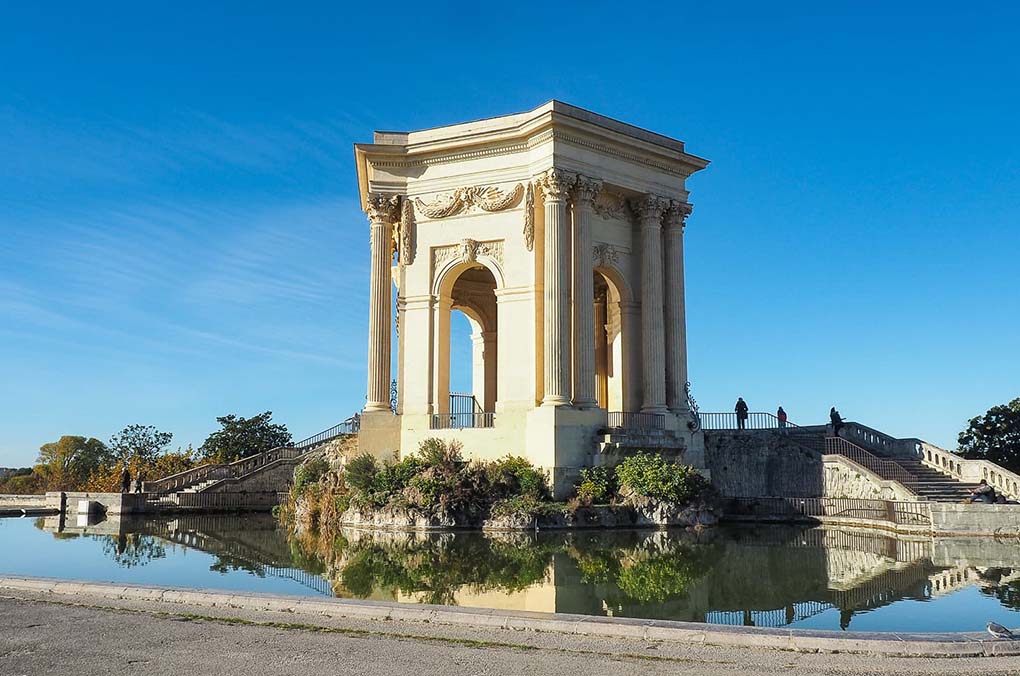
At sunset, I climbed to Promenade du Peyrou, a high park at the western edge of the Old Town offering panoramic views over Montpellier. Standing beneath the Arc de Triomphe, I gazed toward hills and the shimmering Mediterranean, blending into one breathtaking panorama. The sky blushed with hues of amber and lavender, casting long shadows over the cobblestones. Locals passed by with their dogs, couples strolled hand in hand, and runners moved in rhythm with the cooling breeze. Benches, fountains, and a Roman aqueduct make this an “urban rooftop garden.” I took my best photos of the trip here and jotted down thoughts in the soft evening glow, feeling a rare tranquility as the city lights began to flicker below.
Jardin des Plantes: The Birthplace of French Botany
Montpellier’s botanical garden is the oldest in France, established by Henry IV in 1593. More than just a garden, it’s a living textbook of botany. Winding paths led me past towering cypress trees, fragrant herbs, and exotic blooms. The grounds are divided into areas like the medicinal plant garden, palm grove, and rock garden, each representing a different ecosystem and curated with scientific care. My favorite was the ancient olive grove—those gnarled trees made me feel as though I’d stepped into Greek mythology. Meanwhile, the children delighted in spotting tadpoles and chasing butterflies near the greenhouse pond, their laughter mingling with birdsong beneath the leafy canopy. It was a space where time slowed down, and curiosity thrived at every turn.
Antigone District: A Fusion of Classical and Contemporary
Located east of Place de la Comédie, the Antigone District is a remarkable example of visionary urban planning, designed in the late 20th century by renowned Spanish architect Ricardo Bofill. Here, Greek-style columns, pediments, and grand arches merge seamlessly with modern lines and symmetry, creating a unique architectural ensemble that feels both timeless and futuristic. Walking through the district felt like wandering through a grand, minimalist utopia—one where classical ideals of harmony meet the clarity of contemporary design. It’s home to the municipal library, a sleek swimming complex, a variety of shopping centers, and my personal favorite: the vibrant weekend market. Rows of artisanal soaps, hand-pressed olive oils, golden honey, and fragrant spices filled the stalls with scent and color, creating a dynamic yet orderly energy in the air. Street musicians sometimes add melody to the atmosphere, making the district not just visually impressive, but sensorially rich.
Église Saint-Roch: A Haven of Stillness and Reflection
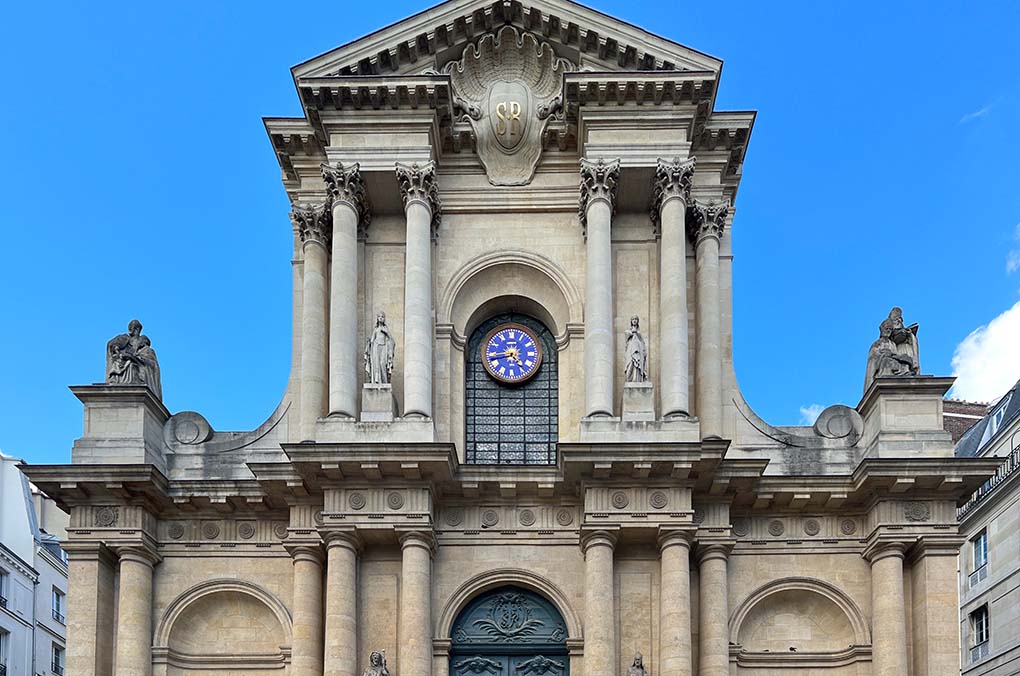
While exploring the winding alleys of the Old Town, I unexpectedly stumbled upon this peaceful Gothic church tucked quietly at a corner. Unlike the grandeur and imposing scale of Notre-Dame de Paris, Église Saint-Roch exudes a more intimate, contemplative charm. Its weathered stone façade is unassuming, almost blending in with the surrounding buildings, but stepping inside reveals a hidden world of calm. Stained-glass windows filter the sunlight into radiant rainbow hues that dance across the stone floors, while the soft scent of incense drifts gently through the still air before the altar. The quietness is tangible—thick, enveloping, and comforting. I sat on a wooden bench for several minutes, closed my eyes, and let the silence dissolve the city’s buzz and my travel fatigue. In that moment, the church became more than a historical site—it became a sanctuary for the soul.
Mediterranean Coastline and Beaches: A Natural Holiday Canvas
Though Montpellier isn’t directly on the sea, a 30-minute drive brings you to stunning Mediterranean beaches. I chose Palavas-les-Flots for a one-day escape.
Golden sands stretch for kilometers, and the water is clear and inviting—perfect for children to play or for adults to enjoy windsurfing or kayaking. I savored a fresh shellfish platter at a beachside tavern, where the sea breeze carried hints of herbs and lemon—an unforgettable pairing.
Montpellier’s Culinary Delights: A Taste of Southern France
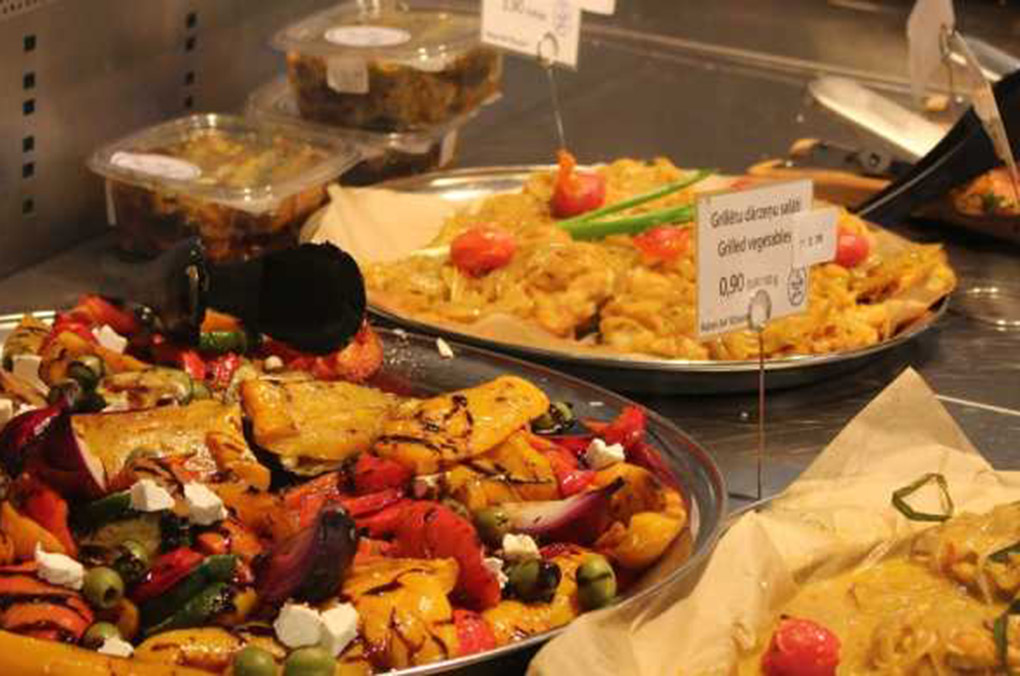
Travel isn’t just about places—it’s also about flavors. Montpellier combines all the classic elements of southern French cuisine: olive oil, tomatoes, seafood, herbs, and cheese.
In a Michelin-recommended bistro, I had a rich oxtail stew glazed with lavender honey, paired with a glass of robust Languedoc red wine—a perfect harmony. On another evening, I picked up fresh cheese and local bread at the market, and enjoyed a simple, romantic meal on my balcony under the moonlight and vines.
University District: A Confluence of Youth and Ideas
Finally, it’s impossible to ignore the university atmosphere that defines the city. Founded in the 13th century, the University of Montpellier is one of France’s oldest, especially renowned for its medical and legal faculties. Today, it remains a favorite among European students, and the youthful vibe is palpable throughout the streets.
One night, I joined an open-air movie screening organized by students. We sat together in front of city hall, sipping beers and laughing at old French films. That night, I felt like a student again—free, lighthearted, rediscovering the true meaning of travel through the lens of simplicity and connection.
A Farewell Full of Gratitude
On my final morning in Montpellier, the sun was still shining bright. The scent of coffee drifted through the streets, and the children still talked about their carousel rides. My heart was filled with appreciation for this city.
Montpellier may not be the most famous city in France, but it is undoubtedly one of the most rewarding to explore in depth. Without loud fanfare, it gently invites you to discover the richness of everyday life—through its streets, flavors, and cultural corners. I hope you, too, find your own rhythm here, just as I did—walking slowly, loving deeply.